
If you’re taking a GLP-1 medication for weight loss, you’ve probably heard this advice:
“Make sure you’re getting enough protein.”
And that’s good advice.
Protein helps support your muscles, especially when you’re losing weight.
But here’s the question we think deserves more attention.
What about everything else your body needs?
When your appetite decreases, you may find yourself eating smaller meals, skipping foods, or relying on protein shakes because they’re convenient.
You might be meeting your protein goal while still missing other important nutrients.
That’s why we believe the conversation needs to go beyond protein.
1. Less appetite means every meal matters more.
GLP-1 medications can reduce hunger and help people feel full sooner.
For some, that makes eating smaller portions easier.
But when you’re consuming less food overall, you also have fewer opportunities to get the nutrients your body needs.
This is where food quality becomes especially important.
A protein shake may provide plenty of protein, but depending on its ingredients, it may not provide the same variety of nutrients as a balanced meal.
The takeaway: When you’re eating less, focus on making the food you do eat count.
2. Let’s talk about micronutrients.
You’ve probably heard plenty about protein, carbohydrates, and fats. These are called macronutrients.
But your body also relies on micronutrients: vitamins and minerals needed in smaller amounts to support normal health and function.
Some worth paying attention to include:
- Vitamin B12: Helps support healthy nerve function and red blood cell formation.
- Iron: Helps your body transport oxygen.
- Vitamin D and calcium: Support bone health.
- Magnesium: Supports normal muscle and nerve function.
- Potassium: Helps support normal muscle function and fluid balance.
These nutrients don’t replace protein. They work alongside it.
And while taking a GLP-1 doesn’t automatically mean you’re deficient in any of them, consistently eating too little or having a limited variety of foods can increase the risk of inadequate intake.
The takeaway: Your body needs more than enough protein to function well.
3. A protein shake isn’t always a complete meal.
Protein shakes can be useful, especially when someone struggles to eat enough.
But not every shake is nutritionally complete.
Some contain added vitamins and minerals. Others provide little beyond protein and calories.
And neither necessarily supplies the fiber, food variety, and eating habits that support a balanced diet.
If shakes are becoming a regular replacement for meals, it’s worth looking at what you’re getting throughout the rest of the day.
Are you eating fruits and vegetables?
Are you getting enough fiber?
Are you including foods that provide healthy fats and important minerals?
Are you drinking enough fluids?
The takeaway: Protein shakes can be part of your plan. They shouldn’t automatically become your entire nutrition strategy.
4. More protein won’t solve every problem.
Let’s say someone is losing weight but also feeling unusually tired, struggling through workouts, or having difficulty recovering.
The immediate response might be to increase protein.
But protein isn’t the only possible consideration.
Are they eating enough overall?
Are they staying hydrated?
Are they sleeping adequately?
Could medication side effects or another health issue be contributing?
These symptoms don’t automatically indicate a nutrient deficiency. Persistent symptoms deserve a conversation with a qualified healthcare professional.
A 2025 joint advisory on nutrition during GLP-1 treatment emphasizes a comprehensive approach that includes nutrient adequacy, physical activity, resistance training, and management of medication-related side effects.
The takeaway: Before assuming you need more protein, consider the bigger picture.
5. Start with better food choices, not a cabinet full of supplements.
You don’t need to rush out and buy a dozen vitamins.
For many people, a practical first step is improving the variety and nutritional quality of their meals.
For example:
Instead of: A protein shake and nothing else for lunch.
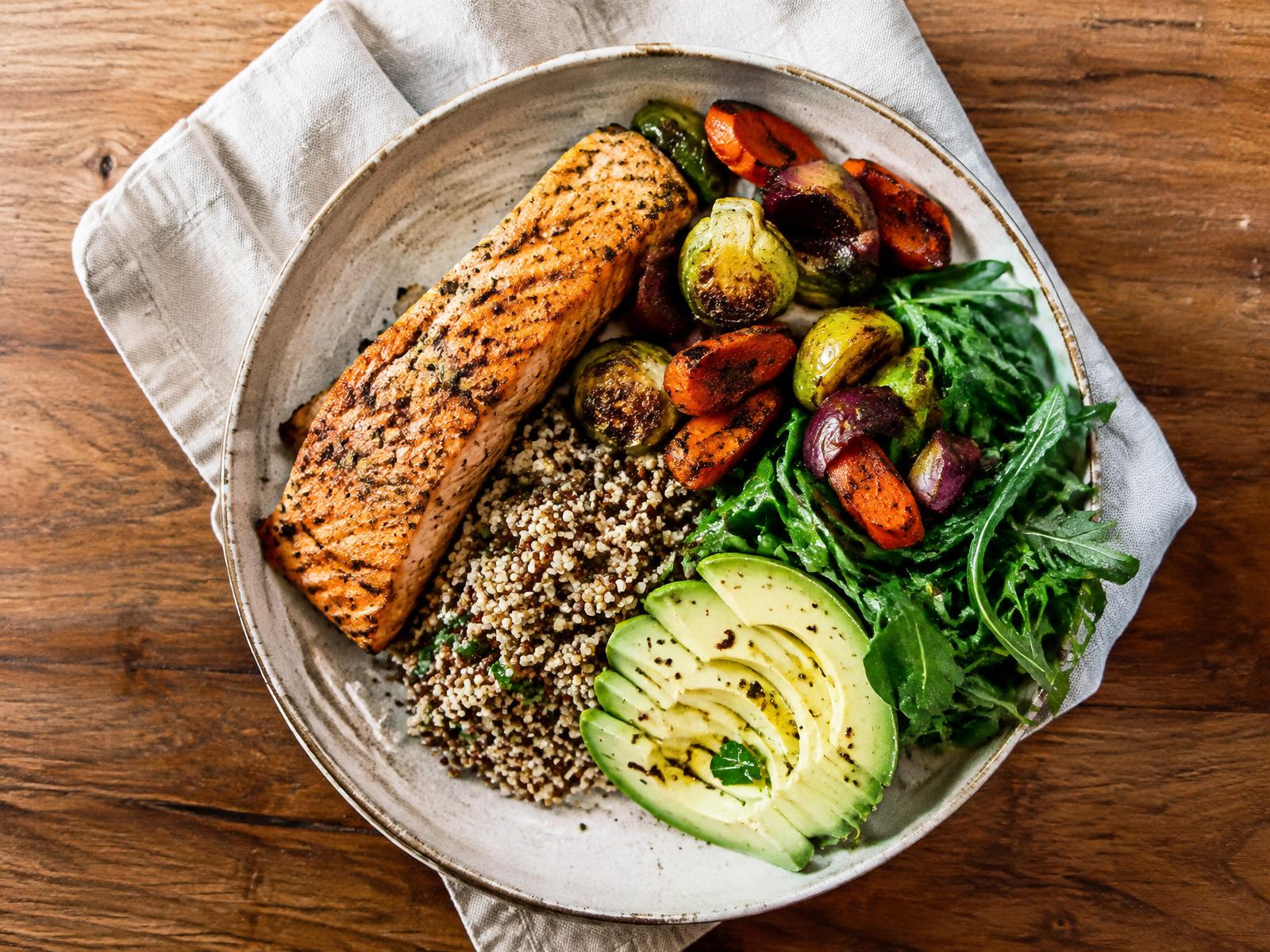
Consider: A protein-rich meal or snack with fruit, vegetables, whole grains, or other nutrient-dense foods you tolerate.
Instead of: Focusing only on hitting a protein number.
Consider: Looking at your overall eating pattern across the day.
Instead of: Automatically adding supplements because you’re taking a GLP-1.
Consider: Discussing your food intake, symptoms, and individual risk factors with a qualified healthcare professional.
Some people may benefit from supplements or targeted testing, but those decisions should reflect individual needs rather than guesswork.
Better nutrition means looking at the whole picture.
At Better You Health, we believe successful weight management involves more than eating less or hitting a protein goal.
Our approach focuses on practical nutrition, strength training, and ongoing accountability to help people support their health while working toward their goals.
We want people to understand not just how much they’re eating, but what their bodies are getting from that food.
Because protein matters. But so do the vitamins, minerals, fiber, fluids, and overall nourishment that help your body function.
Research & Further Reading
1. Nutritional Priorities to Support GLP-1 Therapy for Obesity (2025)
A joint advisory from the American College of Lifestyle Medicine, American Society for Nutrition, Obesity Medicine Association, and The Obesity Society.
https://pubmed.ncbi.nlm.nih.gov/40450457/2. NIH Office of Dietary Supplements — Dietary Supplement Fact Sheets
https://ods.od.nih.gov/factsheets/list-all/3. USDA MyPlate — Healthy Eating for Adults
https://www.myplate.gov/resources/print-materials
This article is educational and does not replace individualized medical or dietetic advice. Nutrient deficiencies cannot be diagnosed from symptoms alone. Medication, testing, and supplementation decisions should be discussed with qualified healthcare professionals.