
For many people trying to lose weight, the first instinct is simple: eat less.
And sometimes, eating less is part of the answer.
But a smaller plate isn’t automatically a better one. When the amount of food goes down, the quality of that food matters even more.
1. Fewer calories can mean fewer nutrients.
Your body still needs protein, vitamins, minerals, fiber, healthy fats, and fluids, even when you’re eating less.
If meals become smaller without becoming more balanced, it can be harder to meet those needs over time.
The takeaway: When portions shrink, let quality grow.
2. Skipping meals isn’t the same as a plan.
Busy schedules, low appetite, or trying to “save calories” can lead to skipped meals.
For some people, that leads to low energy during the day and grabbing whatever is convenient later.
Instead of: Skipping lunch and grabbing snacks in the afternoon.
Consider: A simple, planned meal or snack with protein and produce.
The takeaway: Consistency usually beats restriction.
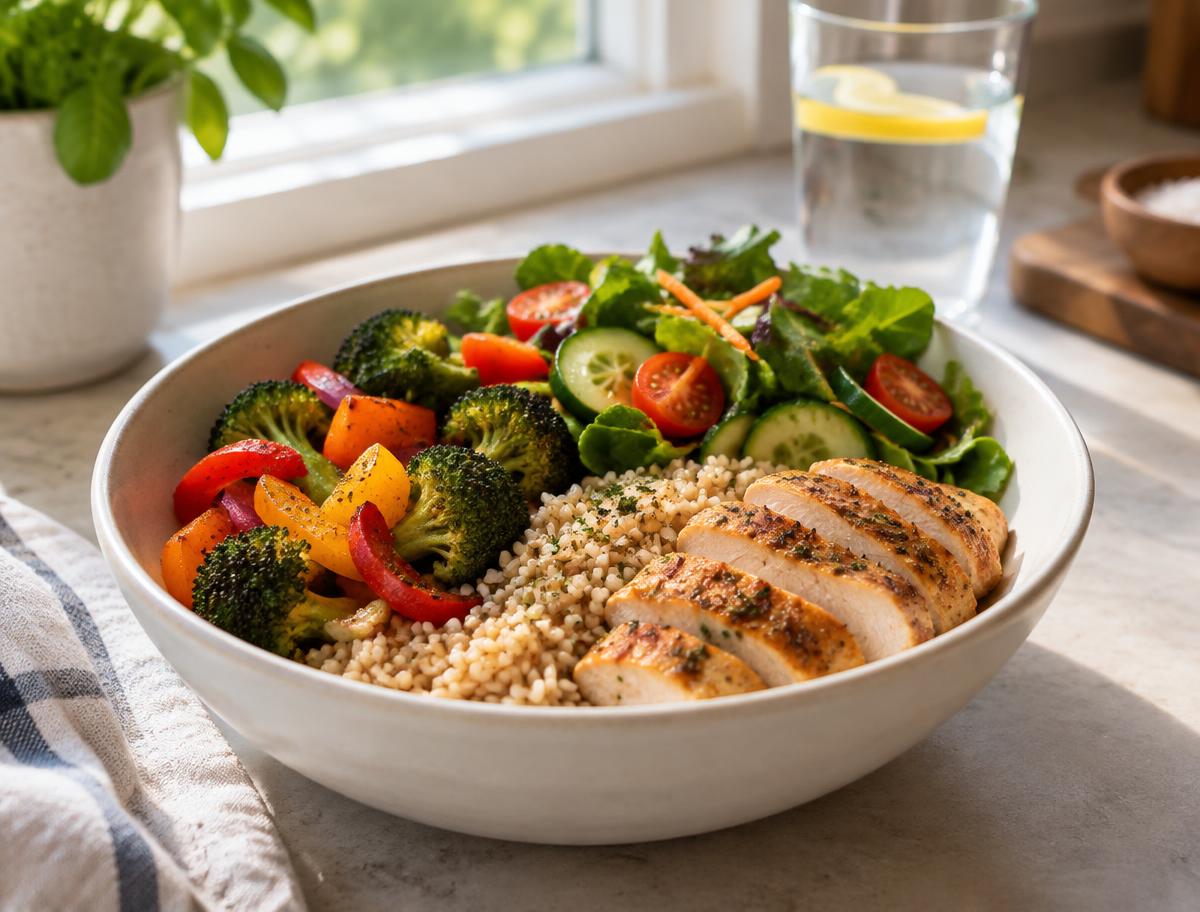
3. Build meals around a few simple anchors.
You don’t need complicated rules. Many people find it helpful to build meals around:
- Protein: such as fish, poultry, eggs, beans, Greek yogurt, or tofu.
- Vegetables and fruit: for vitamins, minerals, and fiber.
- Fiber-rich carbohydrates: such as whole grains, beans, or lentils.
- Healthy fats: such as olive oil, nuts, seeds, or avocado.
The takeaway: A balanced plate doesn’t have to be perfect to be better.
4. Small upgrades add up.
Improving nutrition doesn’t require overhauling everything at once.
Instead of: Cutting out entire food groups.
Consider: Adding one more vegetable or fruit to a meal you already enjoy.
Instead of: Chasing the lowest-calorie option.
Consider: Choosing the option that keeps you satisfied and nourished.
The takeaway: Realistic changes are the ones most likely to last.
Nourishment is the goal.
At Better You Health, we focus on practical nutrition that fits real life, helping people eat in a way that supports their energy, strength, and long-term health.
Because eating less can help. But eating better is what helps your body thrive.
Research & Further Reading
1. Dietary Guidelines for Americans
U.S. Department of Agriculture and U.S. Department of Health and Human Services.
https://www.dietaryguidelines.gov/2. USDA MyPlate — Healthy Eating for Adults
https://www.myplate.gov/resources/print-materials3. MedlinePlus — Nutrition
National Library of Medicine.
https://medlineplus.gov/nutrition.html
This article is educational and does not replace individualized medical advice. People with medical conditions, food allergies, or specific dietary needs should discuss changes with a qualified healthcare professional or registered dietitian.